 Türkçe
 English

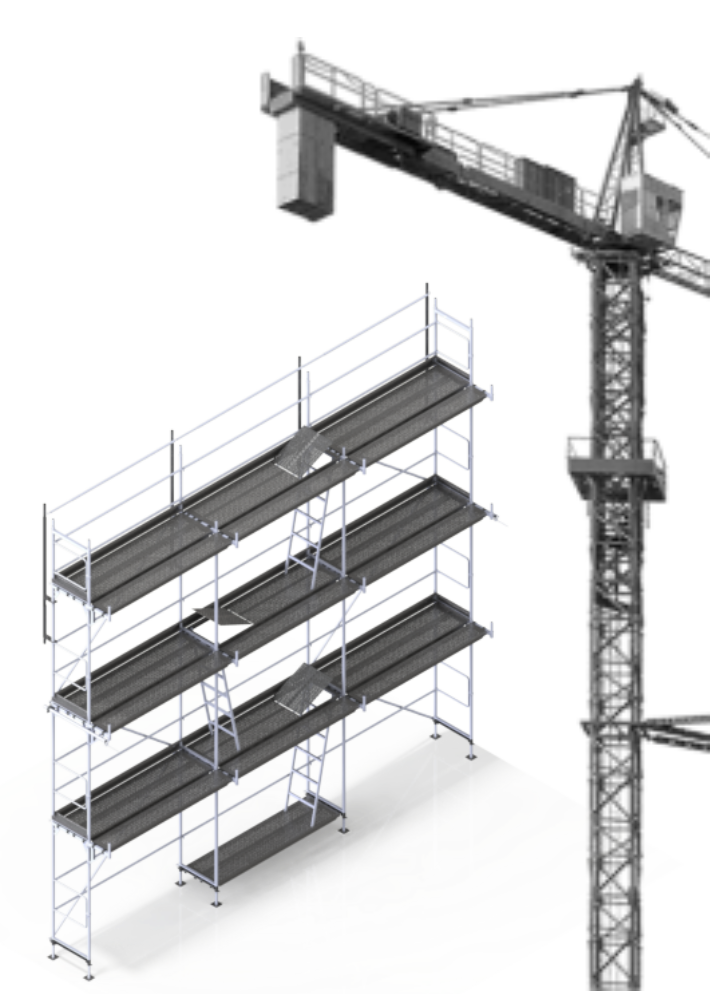
In the construction industry, scaffolding systems are fundamental to creating safe and efficient working environments. Every year, many accidents worldwide result from inadequate or improperly erected scaffolding systems. This highlights the importance of proper selection, installation, and use of scaffolding systems in ensuring the safety of construction projects.
The Importance of Safe Scaffolding Systems
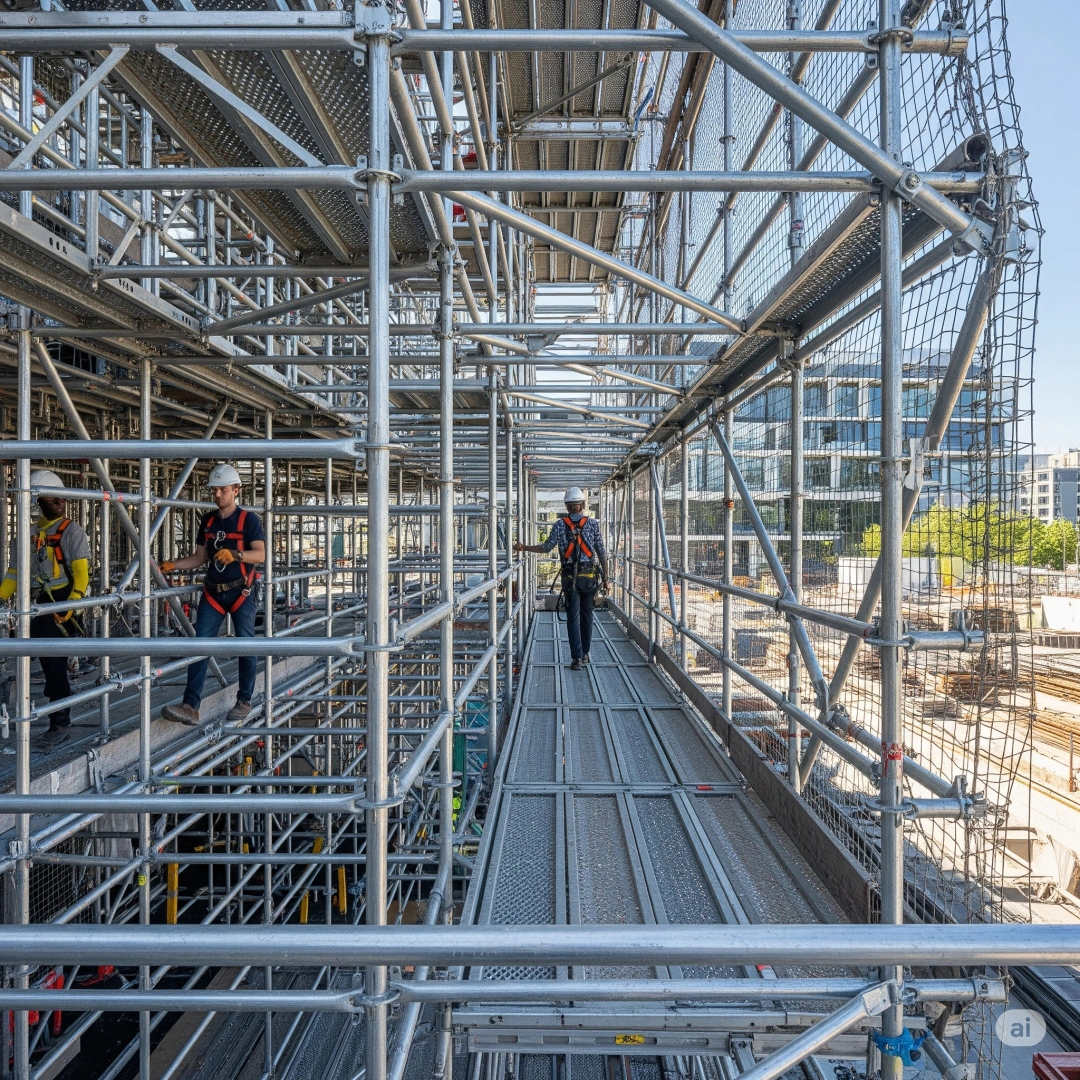
Scaffolding plays a critical role in construction projects, enabling workers to reach high areas and facilitating the movement of heavy materials. However, it's not enough for scaffolding systems to be sturdy and durable; they must also be safely assembled and regularly maintained. Scaffolding systems manufactured to standard specifications and certified by recognized authorities help minimize workplace accidents and ensure the smooth progress of construction projects.
Quality Standards and Certification
The quality of scaffolding systems depends on several factors, including the type of materials used and the manufacturing process. Global standards, such as those set by the European Norms (EN) and the International Organization for Standardization (ISO), define the criteria for the quality and safety of scaffolding systems. Scaffolding systems that meet these standards are preferred in construction projects, ensuring both worker safety and long-term usability.
Modular Structure and Flexibility
Modern scaffolding systems offer flexibility through their modular designs. This feature allows scaffolding to be quickly and easily assembled across various projects and ground conditions. Modular scaffolding can be adjusted to different heights and widths, making it possible to optimize the use of the working area.
Advanced Technology and Innovation
With advancing technology, scaffolding systems are constantly being updated to become safer. For instance, smart sensors and digital monitoring systems can track the load capacity and stability of scaffolding in real-time. These innovations reduce the risk of human error during scaffolding installation and improve overall work efficiency.
Sustainability and Environmental Impact
The scaffolding industry is also making significant strides in using sustainable materials and reducing environmental impact. Scaffolding made from recyclable materials minimizes the adverse effects of construction on the environment. Additionally, modular and reusable scaffolding systems contribute to the eco-friendliness of projects.
Conclusion
The scaffolding industry plays a vital role in ensuring safety, efficiency, and sustainability in construction projects. The proper selection and use of quality scaffolding systems are critical factors in the success of any project. As the construction industry continues to evolve with new innovations, scaffolding systems will also continue to develop, creating safer and more efficient working environments.